FOMO Is All You Need
anxiety that an exciting or interesting event may currently be happening elsewhere, often aroused by posts seen on social media
Exhibit A
I recently saw an article about these tech-focused billboards in San Francisco/the Bay Area.
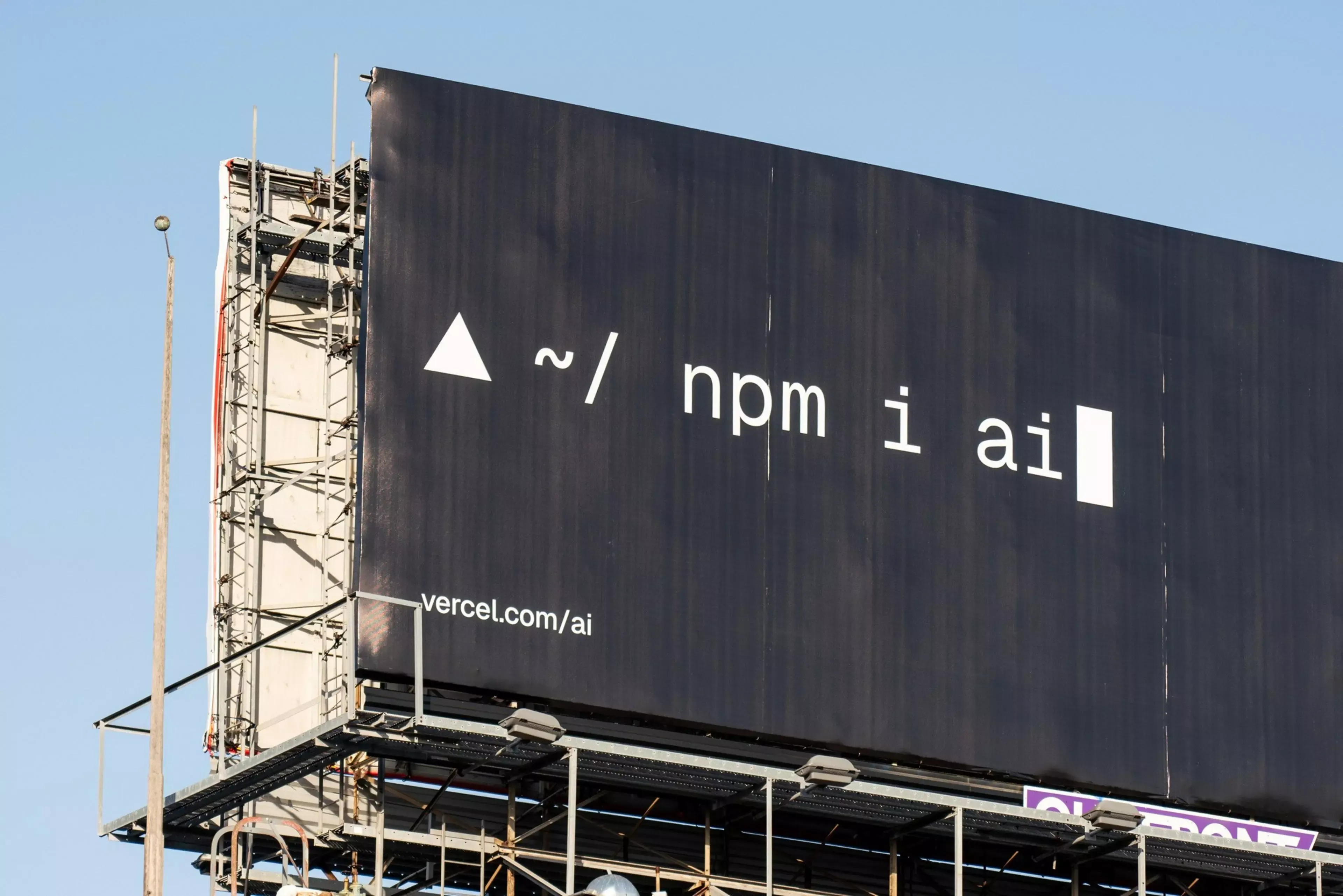

Of course, these billboards pander to a very specific group of individuals — software engineers, programmers, AI researchers, and other technologists in the Bay Area scene. The purpose is clear: to filter out those who are “in the know” versus those who aren’t. At a glance, it just seems like a marketing stunt. By putting these cryptic billboards up, companies are already drawing a baseline for the technical knowledge of their users and potential hires. If someone is able to make the connection that those seemingly random numbers are tokenizer IDs, they are most likely pretty involved in the AI space and have the technical foundation to proceed to the next step of the application process.
However, these billboards also represent a more pervasive effect spreading throughout highly developed urban areas like the Bay Area and NYC: the power of the ingroup effect and FOMO.
Layer 1: Ingroup vs Outgroup
for further reference, observe https://en.wikipedia.org/wiki/In-group_and_out-group
These billboards clearly split the population into the ingroup and outgroup. As the names suggest, the ingroup consists of the people who understand the billboards. The outgroup does not understand.
These billboards bring the ingroup closer together, injecting a greater sense of exclusivity into the ingroup. Humans naturally want to be a part of something exclusive and unique. We want to be different. Hell, it can be argued it is biologically and evolutionarily beneficial for us to be unique to compete with other humans around us.
To the technologists in the ingroup, these billboards feel like a secret message only they can understand — they will identify more closely with their own ingroup and the company making the billboard. On a darker note, these billboards attempt to invoke a sense of superiority in the ingroup, making them feel like they are “in the know” and more intelligent than those in the outgroup. After all, imagine if you are in a car with a few friends passing by one of these billboards. Your friends might ask about these billboards, and if you are the only one in the car who understands, you’d feel pretty damn smart.
Layer 2: FOMO
So what happens to those in the outgroup? A new rhetoric is quickly spreading: Adopt AI or get left behind [1] [2]. Many CEOs, founders, and top engineers in the AI space claim that AI will concentrate wealth at the very top of the social pyramid, funneling more money toward those who understand and can harness AI to its true potential. Those who stay ignorant of AI will be left behind and will have an increasingly harder time climbing the social ladder. (I am not here to discuss the validity of the claim, only that such a rhetoric is indeed becoming popular, especially in the Bay Area.)
This is a terrifying prospect to those in the outgroup. For centuries, the “American Dream” has preached that anyone can climb the social ladder by themselves if they work hard enough. Now, they are being told they must adopt this (admittedly) cryptic and foreign technology to stay afloat.
To those in the outgroup, these billboards serve as a haunting reminder that their futures are at stake. If they do not become a part of the ingroup NOW, they may suffer eternal poverty.
Layer 3: It’s all you need!
These billboards demonstrate that evoking strong emotions of FOMO in the outgroup and superiority in the ingroup is one of the best marketing strategies perhaps ever conceived. They make the ingroup loyal to the brand and to the overarching cause of disseminating AI to the masses, while also making the outgroup scramble to research these brands in fear of “falling behind.”
Layer 4: Not just in tech
It is well-known that the concept of FOMO has become more popular with the rise of social media platforms like Instagram, giving users the ability to peer into carefully crafted scenes in the seemingly luxurious lives of influencers.
As a high school senior, my recommendations on Instagram are currently flooded with the same five “college counseling influencers” who provide (at best) questionable advice on the best strategies when applying to college. They usually have their “guides” and “college lists” and whatever other ChatGPT-ed slop hidden behind a comment wall. If you leave a comment on their video with a specific keyword, they will DM the document to you. Of course, this is simple engagement bait.
On the other hand, it is concerning how many people are still commenting just to receive the same, regurgitated information many of them already know (trust me, I’ve been through the process, and the shit that these “influencers” have in their documents my grandmother could tell me). So why do people keep commenting?
They are afraid of missing out. Just in case, in the ultra-rare chance that one of these documents may hold some magic spell, some secret code to instantly mail a letter of acceptance from Harvard straight to their front porch. Of course, such a thing is impossible, and they continue to receive bottom-of-the-barrel advice from these “influencers.” In a world where information is so easy and accessible, having the information feels like just the beginning. If you don’t have all the information, you haven’t even made it to the start yet.